
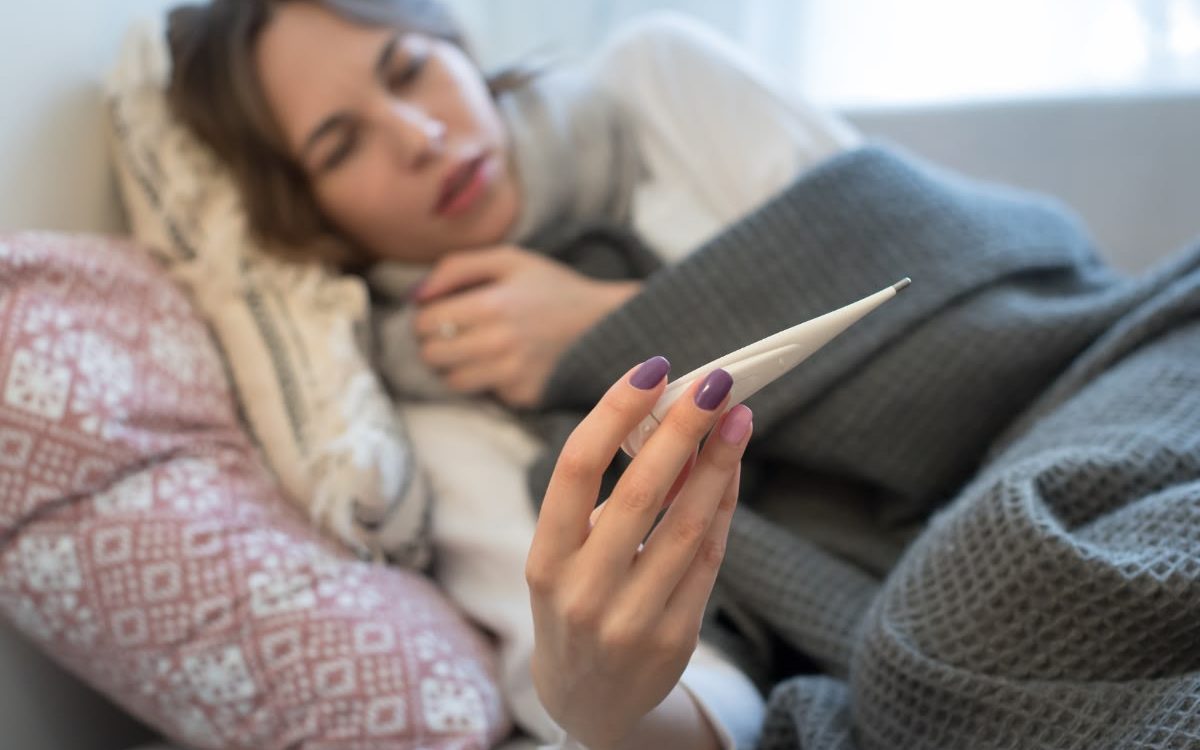
As temperatures drop and people spend more time indoors, respiratory illnesses such as the common cold, influenza, and COVID-19 become a greater concern. These infections can spread easily through everyday interactions, making it important to take precautions at home, at work, and in public spaces.
Although it is not always possible to avoid getting sick, a few simple habits can help reduce your risk of infection and support your overall health throughout the colder months.
Keep Your Hands Clean
Handwashing remains one of the simplest ways to reduce the spread of infectious illnesses. Germs can transfer from contaminated surfaces to your eyes, nose, or mouth when you touch your face.
Wash your hands regularly with soap and water for at least 20 seconds, particularly before eating, after using the washroom, and after coughing, sneezing, or blowing your nose. If soap and water are unavailable, use an alcohol-based hand sanitizer.
It is also helpful to avoid touching your face with unwashed hands and to clean frequently touched household surfaces, such as doorknobs, light switches, and phone screens.
Stay Up to Date on Recommended Vaccinations
Vaccination can help protect against certain respiratory infections and reduce the risk of serious illness. Seasonal influenza vaccines are designed to protect against influenza strains expected to circulate, while COVID-19 vaccines can provide additional protection against severe outcomes.
Speak with your healthcare provider or pharmacist about which vaccinations are recommended for your age, health status, and circumstances. In Canada, provincial and territorial programs provide information about vaccine eligibility and availability.
Vaccines do not prevent every infection, but they remain an important part of protecting yourself and those around you.
Improve Ventilation and Indoor Air Quality
During colder weather, people tend to spend more time indoors, where respiratory viruses can spread through the air. Improving ventilation can help reduce the concentration of infectious particles in indoor spaces.
When weather permits, open windows to allow fresh air inside. Make sure ventilation systems are operating properly, and consider using a portable air purifier with a HEPA filter in frequently occupied rooms.
At home, maintaining good airflow is particularly useful when someone is sick or when you have visitors. These measures work best alongside other precautions, including vaccination and staying home when unwell.
Support Your Immune System With Healthy Habits
Your immune system relies on several factors to function properly, including adequate nutrition, sleep, physical activity, and overall health.
Aim to eat a balanced diet that includes vegetables, fruits, whole grains, protein sources, and healthy fats. Drinking enough fluids is also important, particularly when you have a fever or are recovering from an illness.
Regular physical activity supports general health, while getting sufficient sleep helps your body maintain normal immune function. Most adults need at least seven hours of sleep each night, although individual requirements vary.
Be cautious of supplements or products marketed as immune-system boosters. No supplement can guarantee that you will avoid a cold or the flu, and some products can interact with medications. Consult a healthcare professional before starting a new supplement, especially if you have an existing medical condition.
Avoid Close Contact When You Are Sick
One of the most effective ways to limit the spread of respiratory infections is to stay home when you are feeling unwell.
If you develop symptoms such as a cough, sore throat, fever, or runny nose, avoid unnecessary close contact with others, particularly people at higher risk of severe illness. If you must be around other people, consider wearing a well-fitting mask, improving ventilation, and practising good respiratory hygiene.
Cover coughs and sneezes with a tissue or your elbow, dispose of used tissues promptly, and wash your hands afterward.
If someone in your household becomes sick, try to improve ventilation, avoid sharing personal items, and clean frequently touched surfaces. These steps can help reduce the likelihood of other household members becoming ill.
Know When to Seek Medical Advice
Most common colds improve on their own, but influenza and other respiratory infections can sometimes cause serious complications.
People who are older, pregnant, immunocompromised, or living with certain chronic health conditions may be at greater risk of severe illness. If you fall into one of these groups and develop respiratory symptoms, contact a healthcare professional promptly. Antiviral treatments for influenza and COVID-19 may be appropriate for some people, but they work best when started early.
Seek urgent medical attention if you experience difficulty breathing, persistent chest pain, new confusion, or other severe or rapidly worsening symptoms.
It is also worth contacting a healthcare professional if symptoms persist without improvement, improve and then become significantly worse, or leave you concerned about your condition.
Make Prevention Part of Your Routine
Staying healthy during cold and flu season does not require a complicated routine. Consistent handwashing, recommended vaccinations, good indoor ventilation, adequate sleep, balanced nutrition, and staying home when sick can all help reduce your risk of infection.
No single precaution offers complete protection. Combining several practical habits is a more effective approach to navigating the colder months while protecting your health and the well-being of those around you.